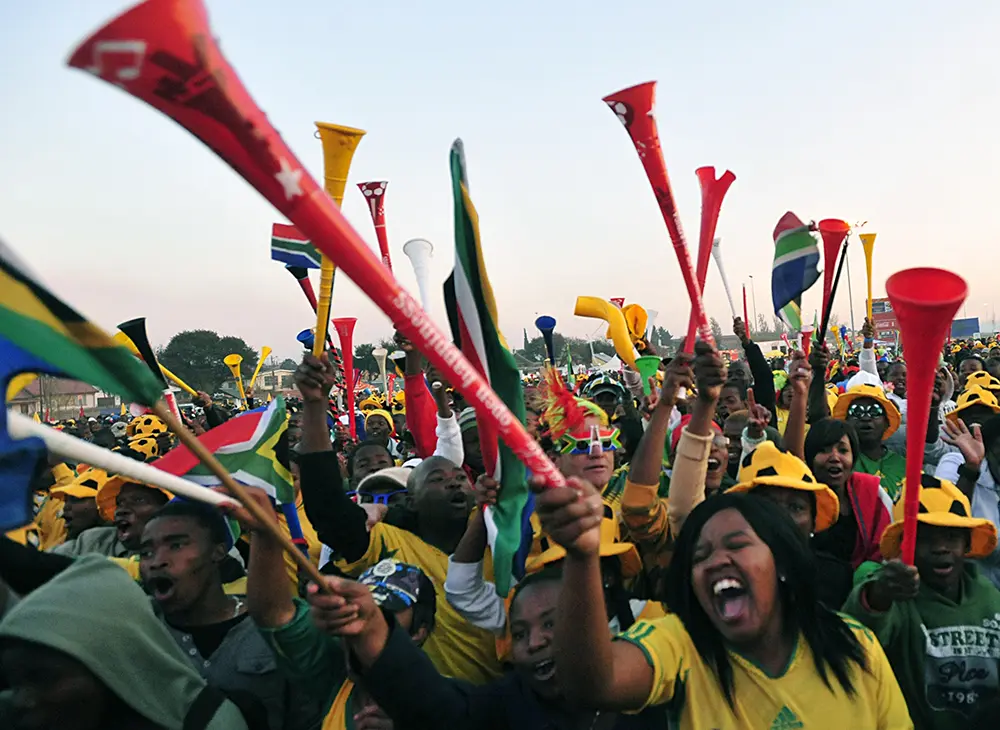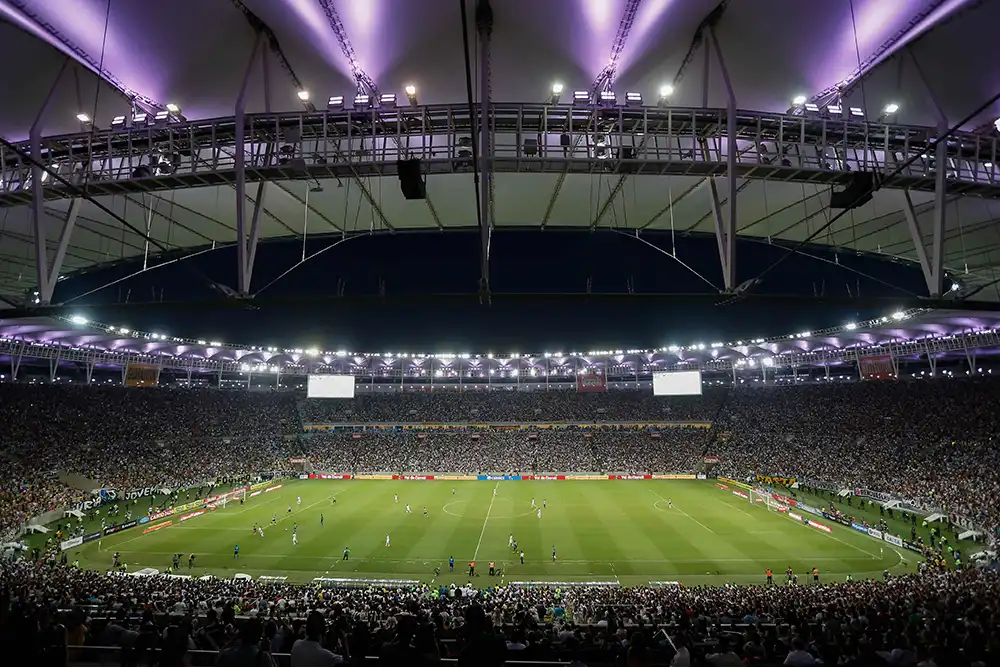
The 2026 FIFA World Cup is becoming one of the most unpredictable tournaments in modern football. While many fans search for “World Cup 2026 latest results”, “World Cup fixtures today”, “Germany vs Paraguay penalties”, “Netherlands vs Morocco result”, and “Brazil vs Japan highlights”, the deeper story is not only about who has won or lost. It is about how the global game is changing.
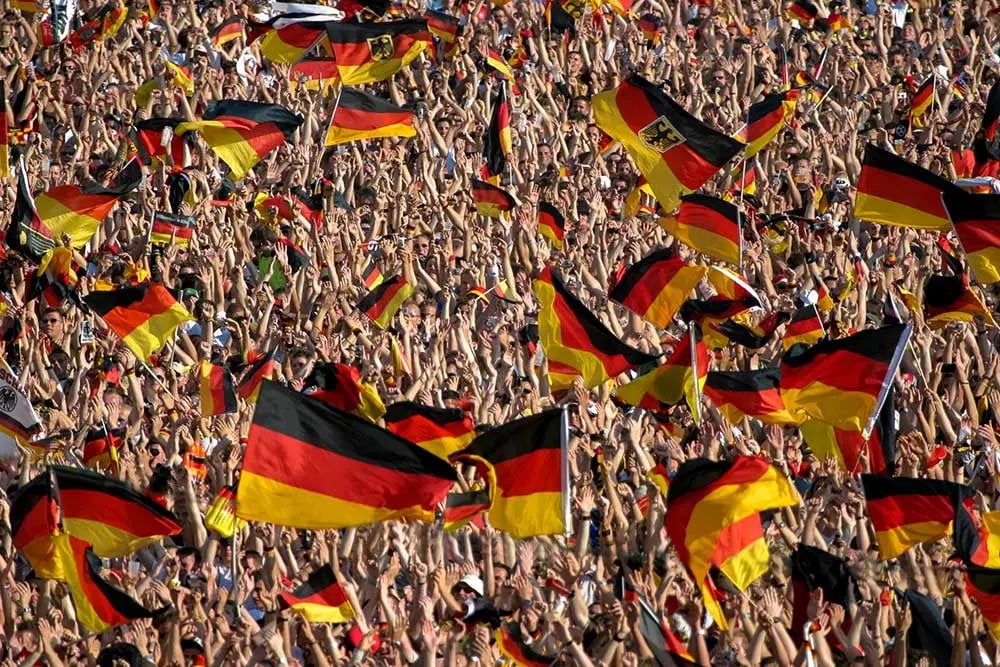
Germany are out. The Netherlands are out. Brazil survived by the narrowest of margins against Japan. Morocco and Paraguay have moved from “dangerous outsider” status to genuine tournament disruptors. The old assumption that European football’s financial power automatically translates into tournament control is being challenged by nations that are tactically organised, physically resilient, psychologically strong and completely committed to playing to their strengths.
This is exactly why World Cup 2026 is such an important learning opportunity for coaches, analysts, sport scientists and performance staff. The tournament is no longer just a showcase of talent; it is a living case study in modern soccer coaching, performance analysis, strength and conditioning, game management, penalty preparation, recovery, travel and tactical identity.
For coaches looking to understand these trends, ISSPF’s online learning pathway provides education across the areas now deciding elite football matches, including Soccer Coaching, Periodisation and Game Model Development, Soccer Performance Analysis, Strength and Conditioning for Soccer Performance and Soccer Training Load Management.
Germany vs Paraguay: penalty shock and the power of defensive belief
Germany’s exit to Paraguay is one of the biggest World Cup 2026 shocks so far. For generations, Germany have been associated with tournament control, penalty expertise, competitive toughness and late-game resilience. But this time, Paraguay turned those qualities back on them.
The key lesson from Paraguay’s performance was not that they dominated the ball. They did not need to. Their success came from clarity. They understood the game they had to play. They accepted long spells without possession. They defended with numbers, protected central spaces, managed emotional pressure and stayed alive long enough to take the contest into the area where they clearly believed they could win: penalties.
That is not luck. That is preparation.
Penalty shootouts are often described as a lottery, but elite football increasingly understands them as a performance event. Technical repetition, goalkeeper analysis, psychological rehearsal, breathing control, decision-making under pressure and pre-planned routines all matter. Paraguay’s win shows that so-called smaller nations are no longer entering knockout football hoping for chaos. They are preparing for specific game states and training the details that can turn a low-possession match into a historic result.
For coaches, this links directly to performance analysis. Before a penalty shootout happens, analysts can study goalkeeper tendencies, penalty taker habits, body language, preferred sides, approach angles and pressure history. Teams that build these details into preparation are not guessing. They are increasing their probability of success. The Foundation Certificate in Soccer Performance Analysis is highly relevant here because modern match preparation is no longer about watching a few clips; it is about turning game information into clear coaching decisions.
Paraguay also showed the importance of tactical humility. They did not try to become Germany. They did not chase an identity that did not fit their squad. They played to their strengths: defensive organisation, compactness, resilience, transition threat and penalty confidence. That is an important coaching lesson. A game model should not be a fashion statement. It should be a practical framework that connects the squad’s qualities to the demands of winning matches.
Netherlands vs Morocco: tactical maturity and the continuation of Morocco’s global rise
Morocco’s penalty win over the Netherlands was another huge moment in the World Cup 2026 knockout stage. After their outstanding run in 2022, Morocco are no longer viewed as a romantic underdog story. They are a serious international team with competitive experience, elite players, tactical identity and a deep belief that they belong at this level.
The Netherlands exit raises questions about European dominance, tactical conservatism and the ability to manage knockout pressure. Morocco, meanwhile, once again demonstrated that tournament football rewards more than possession statistics or historic reputation. It rewards clarity, emotional control, collective defending, goalkeeper excellence and the ability to suffer without breaking.
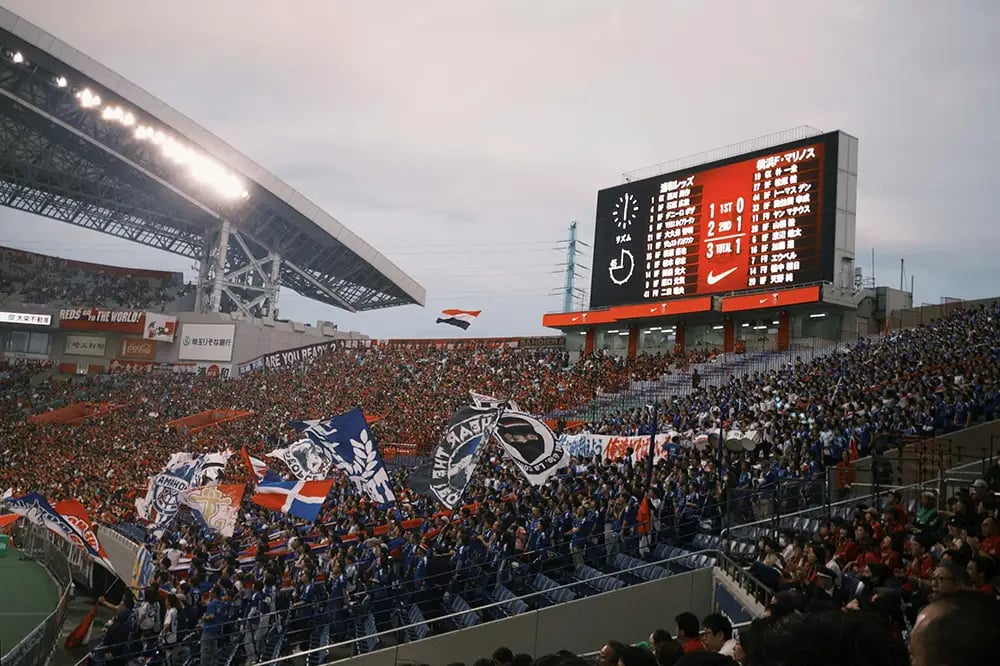
This is where coaching development becomes central. Morocco’s progress has not happened by accident. It reflects a wider football trend: more nations are improving their player pathways, tactical education, diaspora recruitment, athletic preparation and match analysis. The gap between traditional powers and emerging nations is narrowing because knowledge is travelling faster than ever.
Coaches around the world now have access to elite education, online learning, analysis platforms, tactical content and sport science methodology. Nations that previously lacked the financial strength of the biggest European markets can still build highly competitive teams if they are organised, educated and aligned.
This is where ISSPF’s global education model is particularly relevant. Coaches from every continent can now access specialist education through the full ISSPF course pathway, learning from elite practitioners in coaching, nutrition, analysis, psychology, strength and conditioning, injury reduction and training methodology.
Morocco’s win is also a reminder that knockout football is a psychological contest. The ability to remain composed after setbacks, defend late pressure, manage extra time and execute penalties is not just technical. It is mental. Coaches must prepare players for the emotional flow of the game, not only the tactical plan.
Brazil vs Japan: Brazil survive, but Japan show the global gap is closing
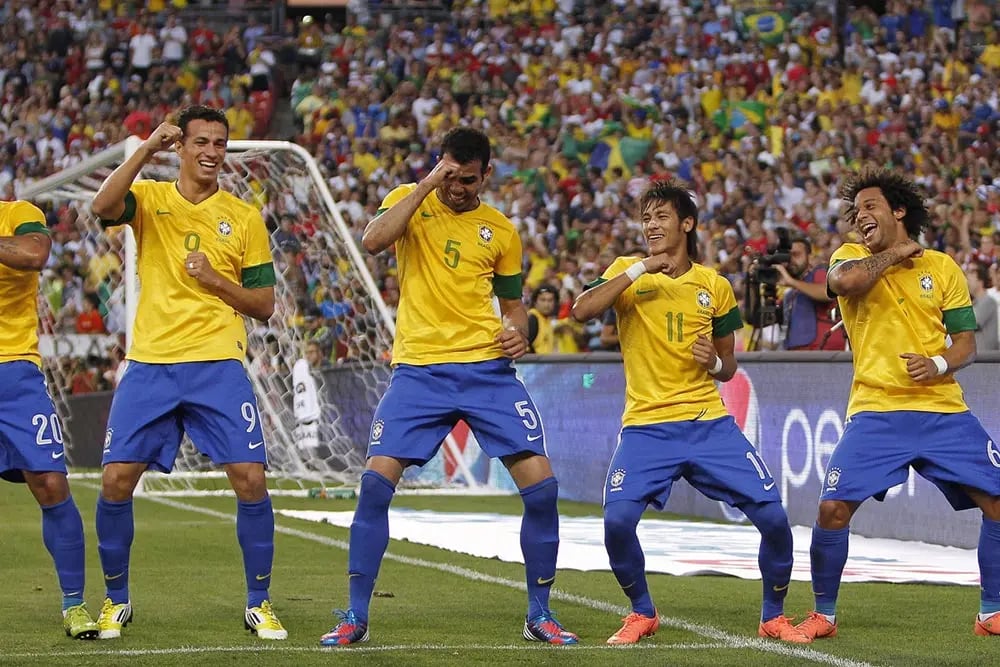
Brazil’s 2–1 win over Japan was one of the most important matches of the round, not only because Brazil progressed, but because Japan pushed one of the tournament favourites to the edge. Japan led, defended with outstanding discipline, attacked with speed and showed why Asian football continues to rise.
Brazil survived because of depth, experience and decisive moments. Japan exited because elite knockout football can be brutally unforgiving. Yet the broader message was clear: Japan are no longer simply a technically neat team that competes well before eventually falling short. They are tactically mature, physically committed and increasingly capable of troubling the biggest nations in the world.
This performance should be studied by coaches. Japan showed how compact team structure, coordinated pressing, disciplined recovery runs and counter-attacking timing can create real problems for possession-dominant opponents. They also showed the importance of physical conditioning. To defend against Brazil for long periods, break forward, recover shape and maintain concentration requires exceptional fitness and tactical discipline.
That links directly to strength and conditioning. At World Cup level, physical preparation is not only about speed or power in isolation. It is about repeatability. Can players sprint, recover and sprint again? Can they decelerate safely under fatigue? Can they keep pressing distances compact in the final 15 minutes? Can substitutes enter the game at full intensity? Can players handle heat, travel and congested schedules?
ISSPF’s Certificate in Strength and Conditioning for Soccer Performance supports coaches and practitioners in understanding the physical qualities required for modern soccer: speed, endurance, repeated high-intensity efforts, robustness and match-specific conditioning.
Japan’s performance against Brazil also highlights the value of long-term player development. A national team does not suddenly become competitive at the World Cup. It is built through years of technical development, coaching consistency, tactical education, sports science support and exposure to higher competitive standards. The lesson is clear: smaller nations are not smaller in ambition, preparation or tactical detail.
What Morocco and Paraguay mean for the World Cup narrative
Morocco and Paraguay now represent two different but connected World Cup stories.
Morocco represent the continued rise of African football: technical talent, tactical sophistication, strong individual profiles and a belief that major tournament runs are no longer exceptional. Paraguay represent the power of defensive identity, emotional resilience and preparation for knockout realities.
Both challenge the idea that the World Cup belongs only to nations with the biggest domestic leagues or the highest player market values.
European football remains the financial centre of the global game. The Premier League, La Liga, Serie A, Bundesliga and other major competitions contain many of the world’s highest-paid players, largest clubs and most advanced performance infrastructures. But international football is different. National teams do not buy solutions in the transfer market. They must build identity, cohesion and clarity with the player pool available.
That is why so-called smaller nations can thrive. They may not have the same depth, but they often have a clearer collective purpose. They may not dominate possession, but they can dominate the terms of the contest. They can defend compactly, attack transitions, prepare set plays, manage heat and fatigue, and take matches into moments where pressure affects everyone equally.
In knockout football, clarity can beat complexity.
Are European nations being found out?
The early exits of Germany and the Netherlands will naturally create headlines around European disappointment. But the issue is not that European football is suddenly weak. The issue is that the rest of the world has improved.
Coaching information is more accessible. Tactical analysis is more advanced. Players from Africa, Asia, South America and North America are developing in elite environments from younger ages. More national teams are using sport science, performance analysis, nutrition, psychology and strength and conditioning to close performance gaps.
The result is a more balanced World Cup.
European nations still have enormous resources and deep talent pools, but they are no longer guaranteed to control matches simply through reputation or technical quality. They must match the organisation, hunger and tactical clarity of teams that are prepared to suffer, defend and wait for decisive moments.
For coach educators, this is a major theme. The modern coach must understand more than formations. They must understand game models, player profiles, physical demands, psychological readiness, set-piece preparation, analysis, communication and tournament management. The Foundation Certificate in Soccer Coaching, Periodisation and Game Model Development is directly connected to this, helping coaches build a clearer framework for training and match preparation.
Performance analysis: the hidden weapon behind tournament shocks
Every World Cup shock looks emotional from the outside, but many are built on detailed analysis.
How does Germany build under pressure? Where do the Netherlands leave space when protecting a lead? Which Brazilian midfielder can be pressed with his back to play? How does Japan create counter-attacking moments? Where does Morocco want the game to be played? How does Paraguay defend the box?
These questions define modern performance analysis.
The best analysts do not just produce reports. They create actionable information. They help coaches simplify the opponent. They identify spaces to attack, pressing cues, set-piece patterns and player behaviours. In knockout football, one insight can decide the game.
This is why performance analysis is now one of the fastest-growing areas in soccer education. Coaches who can interpret tactical trends and connect them to training design have a major advantage. ISSPF’s Soccer Performance Analysis courses provide a pathway for coaches and analysts who want to understand how data and video can improve team performance.

S&C, recovery and tournament survival
The 2026 World Cup is also exposing the importance of physical preparation and recovery. Matches are being played across North America, with heat, humidity, travel and short turnaround periods all influencing intensity and quality.
Hydration, nutrition, sleep, recovery protocols and training load management are not background details. They shape performance. The ISSPF article The Importance of Hydration in Soccer explains why fluid balance affects endurance, concentration, thermoregulation and injury risk. The article on MLS travel-related nutritional challenges is also highly relevant because North American travel demands are now central to this World Cup.
Teams that manage these factors well may have a late-tournament advantage. Teams that fail to manage them may see intensity drop, substitutions forced, injuries increase or decision-making decline under fatigue.
This is why training load management matters. The Certificate in Soccer Training Load Management supports practitioners in understanding how to balance match exposure, training intensity, recovery, monitoring and player readiness.
The coaching lesson from World Cup 2026
The World Cup 2026 latest results show that football is no longer controlled purely by reputation, history or market value. Germany and the Netherlands exiting on penalties, Brazil being pushed to the final moments by Japan, and Morocco and Paraguay advancing through discipline and belief all point toward a changing global game.
Smaller nations are not winning because they are lucky. They are winning because they are organised, prepared and clear. They know their strengths. They manage pressure. They defend with purpose. They analyse opponents. They prepare penalties. They condition players for the demands of the match. They use the tournament format intelligently.
For coaches, the message is powerful: development matters.
The future belongs to coaches and practitioners who can connect tactics, analysis, S&C, psychology, nutrition and recovery into one coherent performance model. That is exactly the type of integrated learning ISSPF aims to provide through its online soccer education platform.
To continue developing your knowledge, explore the full range of ISSPF courses, listen to the ISSPF Soccer Insights Podcast, and follow the latest ISSPF articles on soccer science, coaching, nutrition, performance analysis and player development.
World Cup 2026 is giving us shocks, drama and headlines. But for coaches, it is giving us something even more valuable: evidence that tactical clarity, preparation and performance education can close the gap between football’s richest nations and the rest of the world.
Courses covered in this article
Foundation Certificate in Soccer Coaching, Periodisation & Game Model Development
Coach with a real framework – not a collection of drills – through a professional certification in Game Model Development and Periodisation, so every session has purpose, every week has structure, and training actually transfers to match performance.
View Details
Foundation Certificate in Soccer Performance Analysis
The Foundation Certificate in Soccer Performance Analysis course is designed to enhance your team's performance and decision-making by enabling you to apply the latest soccer analysis techniques and tactical insights directly to your coaching strategies.
View Details
Certificate in Strength & Conditioning for Soccer Performance
To excel in soccer, players need more than just skill – they need strength, endurance, and injury resilience. The Certificate in Strength & Conditioning for Soccer Performance equips you with cutting-edge training methods to enhance physical performance, reduce injuries, and optimize recovery.
View Details
Did you enjoy this article?
Thanks for your feedback!