Spain vs England: A Clash of Titans in the Euros Final
As the UEFA European Championship reaches its crescendo, all eyes turn to the grand finale where Spain and England, two footballing powerhouses, are set to collide. The prospect of these two nations meeting in the Euros final is not just a showdown for the trophy but a clash of footballing philosophies, historical narratives, and national pride.
This article will take a dive into the venue for the European Championships final, the history each nation in the Euros, and how each nation qualified for the final of the Euros 2024.
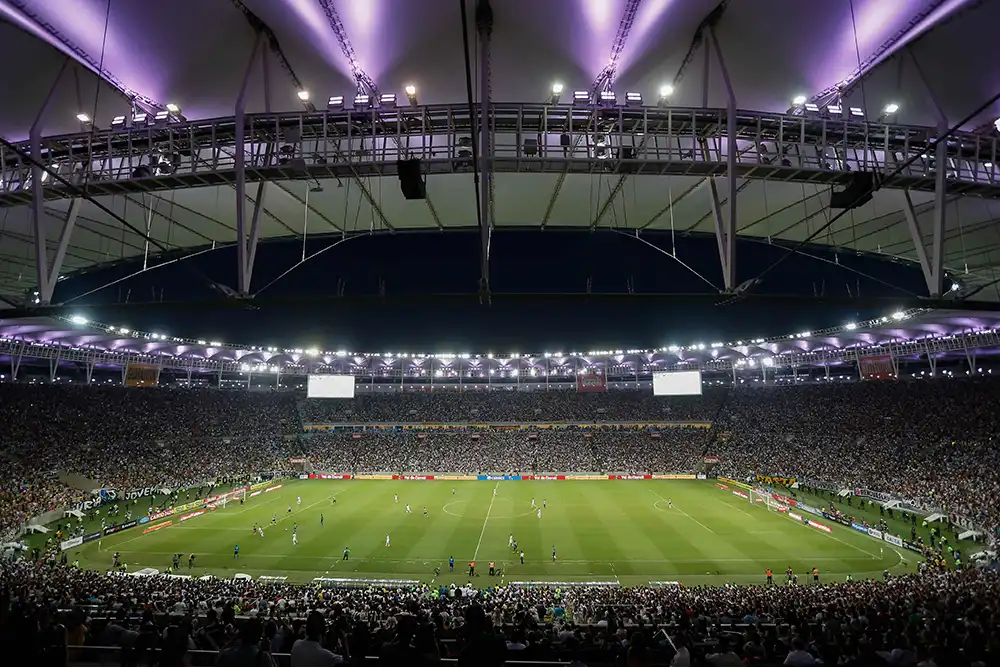
Steeped in history and renowned for its grandeur, the Olympiastadion stands as a fitting stage for the culmination of Europe’s most prestigious football competition.
Originally built for the 1936 Summer Olympics, the Olympiastadion has since evolved into a symbol of resilience and renewal. Its iconic architecture, characterized by sweeping curves and imposing columns, reflects both its historical significance and its status as a modern sports arena.
TAKE AN ISSPF COURSE NOW
Throughout its storied existence, the Olympiastadion has witnessed countless memorable sporting events, including World Cup matches, Olympic finals, and domestic league triumphs. Each event has left an indelible mark on the stadium’s legacy, reinforcing its reputation as a venue where sporting history is made.
For the Euro 2024 final, the Olympiastadion’s majestic surroundings and state-of-the-art facilities will provide a spectacular backdrop for the clash between Europe’s finest national teams. As the culmination of a tournament filled with drama, skill, and passion, the final promises to be a showcase of footballing excellence and competitive spirit.
The Finalist’s History with Football
England, the birthplace of modern football, has a deeply rooted history in the Euros. Despite their esteemed football pedigree, the English national team struggled to make an impact in the early editions of the tournament. Notably, it took until 1996 for England to reach their first semi-final, hosted on home soil at Wembley Stadium.
Under the stewardship of manager, Terry Venables and with talismanic performances from the likes of Alan Shearer and Paul Gascoigne, England captured the hearts of a nation before narrowly losing to Germany in a penalty shootout.
The subsequent years saw mixed fortunes for The Three Lions, with intermittent qualification successes tempered by disappointing early exits. However, the appointment of Gareth Southgate as manager in 2016 heralded a new era of optimism. At the 2020 Euros (held in 2021 due to the COVID-19 pandemic), England reached their first major final since their World Cup triumph in 1966. Despite a valiant effort, they were defeated by Italy in a nerve-wracking penalty shootout at Wembley, once again showcasing the nation’s enduring love affair with football.
In stark contrast, Spain’s journey in the Euros has been defined by a golden age of unprecedented success. Historically, Spain had endured a frustrating cycle of underachievement on the international stage.
However, the turn of the 21st century marked a transformative period for Spanish football. Under the guidance of visionary coaches such as Luis Aragones and Vicente del Bosque, Spain embraced a possession-based style of play, popularly known as tiki-taka, which captivated fans worldwide.
Spain v England: The Growing Talents
Spain’s breakthrough came in 2008 when they triumphed in Austria and Switzerland to claim their first European Championship since 1964. Led by midfield maestros Xavi Hernandez and Andres Iniesta, La Roja’s technical brilliance and tactical acumen redefined the modern game. They successfully defended their title in 2012, cementing their status as a footballing powerhouse. This period also witnessed an era of unprecedented success on the global stage, with Spain winning the 2010 FIFA World Cup in South Africa, further enhancing their footballing legacy.
In recent tournaments, both England and Spain have continued to showcase their footballing prowess and resilience. England’s squad boasts a blend of youthful exuberance and seasoned experience, with talents such as Harry Kane and Raheem Sterling leading the charge. Under the astute management of Gareth Southgate, England aims to build on recent successes and bring home their first major international trophy since 1966.
Meanwhile, Spain continues to evolve under new leadership, maintaining their commitment to possession football while integrating a new generation of players. With a wealth of talent at their disposal, including rising stars such as Ferran Torres and Lamine Yamal, Spain remains a formidable force in European football.
Spain’s Road to the EURO 2024 Final
Spain’s road to the Olympiastadion on the 14th of July 2024 started on the 15th June, with their opening Group B game against Croatia, who they put to the sword 3-0, thereafter it was much tighter affairs with 1-0 wins against Italy on the 20th of June and Albania on the 24th of June respectively. This saw La Roja sit atop the table of Group C and meant that would face Georgia in the round of 16, where they again won by a 3 goal margin with a 4-1 victory.
Following this, they would have to face the host nation, Germany in the quarter finals. In what was a tense exchange, the Spanish managed a last gasp winner in the 119th minute that would see them face Kylian Mbappe’s France. France would open the scoring via Kolo Muani, but a goal from wonderkid Lamine Yamal saw Spain equalise 12 minutes later, and then 4-minutes later, Dani Olmo would put the Spanish in front, 2-1.
In typical Spanish style, La Roja would dominate in passing, possession and pass accuracy, allowing them to see out any French assault and book a spot in Sunday’s final.
England’s Road to the EURO 2024 Final
England’s road to the final has not been as simple as the Spanish, and whilst they did finish top of Group C, they did so with only 1 and 2 goals being scored. England were underwhelming in their round of 16 encounter against Slovakia, with the Three Lions requiring some magic from the La Liga player of the Year, Jude Bellingham in 5th minute of injury time, before Harry Kane headed England into the quarter-finals in the 1st minute of extra time.
The quarter finals meant the stern test of Switzerland, who had knocked the reigning champions in the previous round. With the teams locked at 1-1 after minutes and no one being able to find a winner in extra time, it went down to the lottery of the penalty shootout. Jordan Pickford and his water bottle proved the difference, with England winning 5-3 on penalties.
The final stumbling block for England would be the 1988 Euro Champions, the Netherlands. England left it late, but an Ollie Watkins goal in the 90th minute saw England overcome the Oranje and progress to back-to-back European Cup finals.
The Spain vs England clash on Sunday is more than just a football match—it’s a culmination of skill, strategy, and national pride. As these two footballing giants prepare to battle for European supremacy, the stage is set for a memorable encounter that will captivate audiences and live long in the memories of fans.
Whether Spain adds another chapter to their illustrious footballing history or England lifts the trophy for the first time, one thing is certain: the final promises to be a fitting climax to a tournament filled with drama, skill, and the sheer joy of the beautiful game.
TAKE AN ISSPF COURSE NOW
Certified Online Courses for Performance & Technical Coaches
Discover our accredited online soccer courses tailored for coaches and aspiring professionals.
Access innovative performance strategies and coaching methodologies employed by top coaches globally. Enhance your expertise in Nutrition, Psychology, Strength & Conditioning, Goalkeeper Coaching, Injury Prevention, and beyond.
Keep pace with the latest developments and unleash your team’s potential through our specialized, accredited programs. Learn from industry experts and become a dedicated ‘student of the game’.
Share this article:
Did you enjoy this article?
Thanks for your feedback!