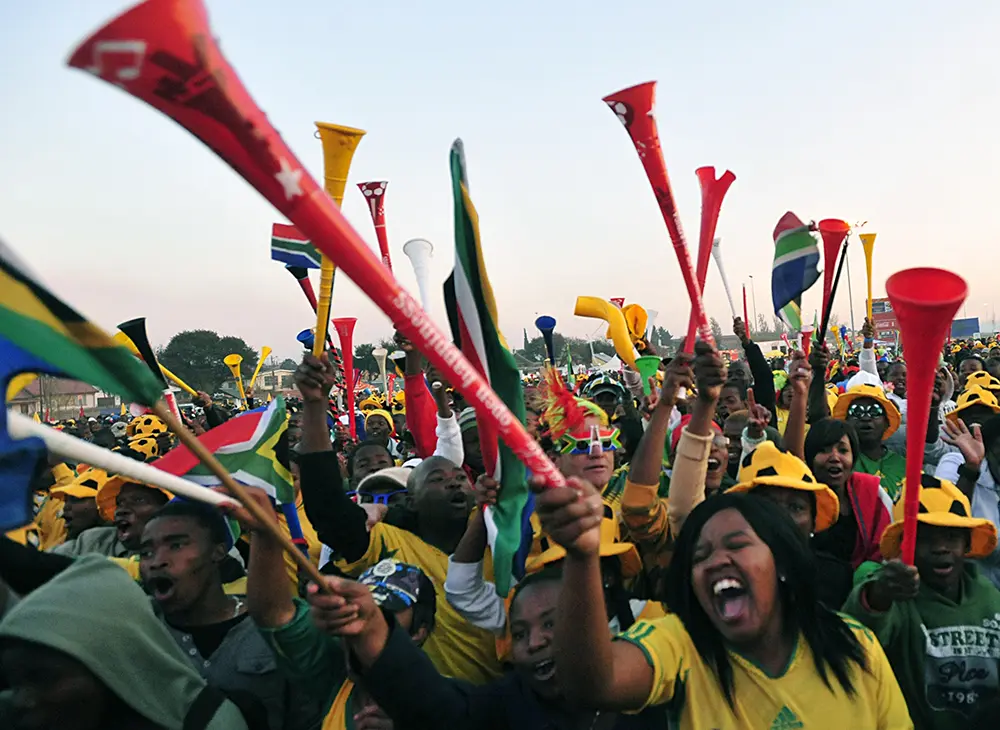
World Cup 2026 Hydration Breaks: Player Welfare, Coaching Strategy and the Commercialisation of Match Flow
The 2026 FIFA World Cup has already delivered goals, shocks, storylines and global attention. But one of the biggest talking points has not come from a tactical innovation, a star player or a dramatic late winner. It has come from something far more fundamental to player performance: hydration.
With the tournament being played across North America during the summer months, hydration breaks have become one of the most debated features of the competition. On one side, they are being presented as an essential player welfare measure, designed to protect players from heat stress, dehydration and reduced performance in demanding climates. On the other, many supporters, coaches and former players have questioned whether the breaks are beginning to change the identity and rhythm of the game itself.
For a sport traditionally built around two uninterrupted 45-minute halves, the introduction of structured pauses around the middle of each half has created a very different viewing and coaching experience. In some matches, the game now feels closer to four separate quarters than two flowing halves. That raises an important question for modern soccer: are hydration breaks simply a necessary response to environmental demands, or are they becoming part of a wider shift in how football is packaged, coached and commercialised?
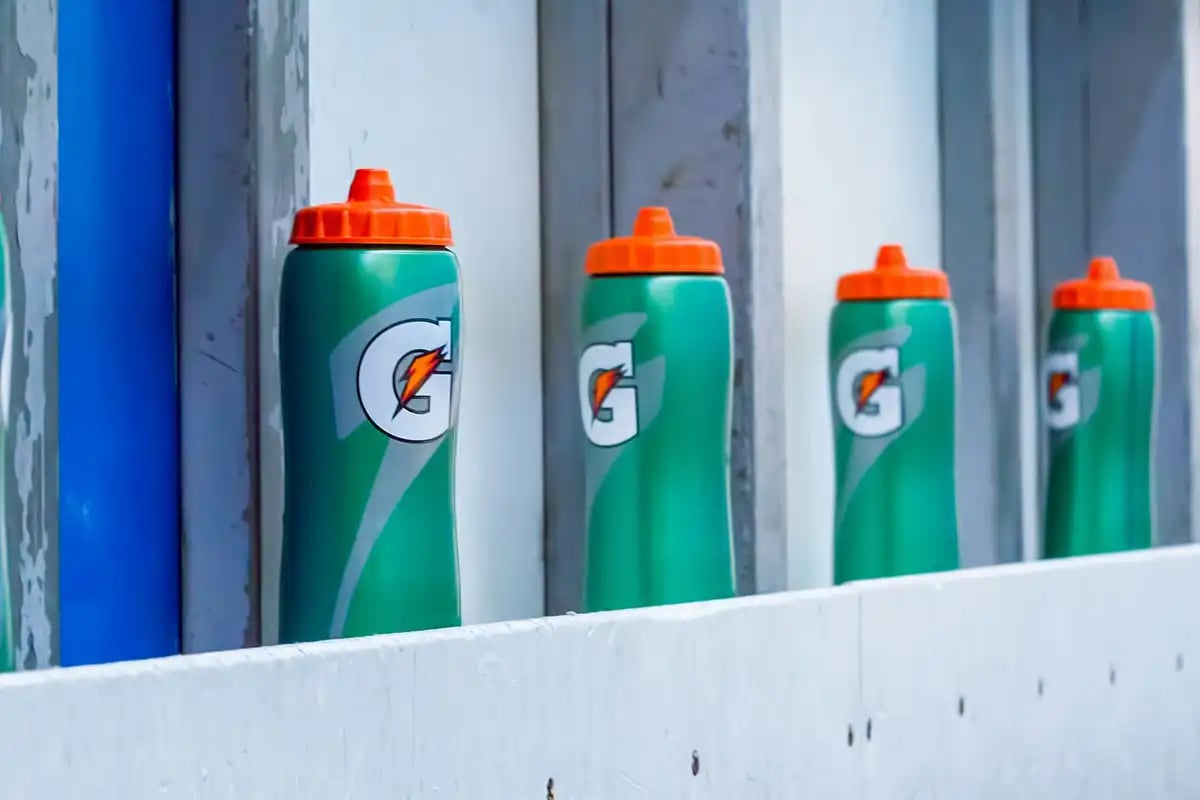
Why hydration has become a major World Cup performance issue
At elite level, hydration is not just about drinking water. It is a performance system. Fluid balance, electrolyte replacement, body temperature regulation and individual sweat responses all influence how players cope with repeated high-intensity actions, especially in heat and humidity.
Soccer is an intermittent sport. Players walk, jog, sprint, jump, decelerate, press, recover and repeat. In hot conditions, that physical rhythm becomes more expensive. The body has to work harder to regulate temperature, heart rate can increase, perceived exertion rises, and decision-making quality can decline as fatigue accumulates. This is why hydration is now a central issue in elite soccer performance.
The ISSPF article, The Importance of Hydration in Soccer, explains why hydration status can influence physical output, technical execution, concentration and recovery. At World Cup level, where the margins are extremely small, even a small decline in repeated sprint ability or concentration late in a match can be decisive.
The 2026 World Cup is being played across a vast geographical area, with teams travelling between different cities, climates, time zones and stadium conditions. Some venues may present heat and humidity challenges, while others may involve travel fatigue, different kick-off times and disrupted routines. This means hydration cannot be treated as a generic instruction to “drink more”. It has to be planned, individualised and connected to the wider performance strategy.
Player welfare or commercial opportunity?
The official argument for hydration breaks is clear: player safety. In hot environments, this is difficult to dispute. Players need opportunities to drink, cool, reset and reduce the risk of heat-related performance decline. From a medical and performance perspective, this is sensible.
However, the debate has intensified because the breaks are not only being used for hydration. In the United States broadcast environment, where commercial breaks are a normal part of sport, hydration pauses have created new advertising windows inside a soccer match. For many traditional football audiences, this feels uncomfortable. Soccer’s appeal has always been partly based on its flow. Unlike American football, basketball or ice hockey, the game does not naturally stop every few minutes for structured commercial inventory.
This has led to criticism that hydration breaks are beginning to monetise moments that were introduced for player welfare. The concern is not that players should be denied fluids. The concern is whether the game is being subtly reshaped around television, advertising and commercial packaging.
If broadcasters use hydration breaks as full advertising slots, the viewer experience changes. If fans miss tactical conversations, restarts or momentum shifts because coverage cuts away, the game feels less continuous. The break becomes not only a welfare intervention, but a media product.
From a performance perspective, this also matters because rhythm is part of soccer. A team building momentum through pressing, territory and possession may see that momentum interrupted. A team under pressure may gain a valuable reset. The pause changes the emotional and tactical pattern of the game.
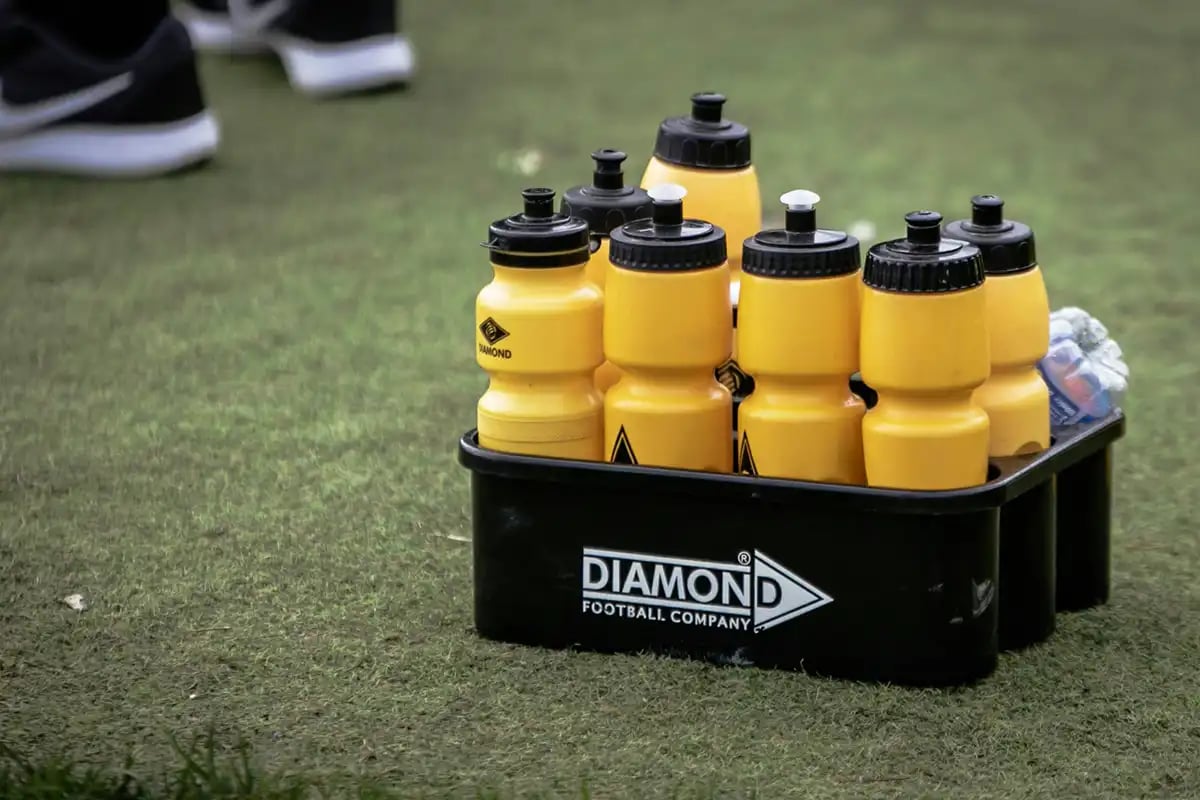
Are we moving away from two 45-minute halves?
It would be too strong to say that soccer has officially moved away from two 45-minute halves. The laws of the game remain unchanged. But the feeling of the match can change when each half is interrupted by a structured three-minute pause.
A 45-minute half has traditionally been a continuous tactical and physical contest. Coaches have had to manage momentum from the touchline. Players have had to solve problems on the pitch. Teams have had to survive difficult spells without the guarantee of a formal reset.
Hydration breaks alter that dynamic. They create a natural pause in each half where coaches can speak directly to players, reorganise pressing structures, adjust build-up patterns, reinforce defensive responsibilities and calm emotional reactions. In practice, this can function like a mini time-out.
For coaches, this is a major tactical opportunity. A manager can use the first hydration break to correct early structural issues. The second can be used to prepare the team for the final phase of the match. This brings soccer closer to sports where coaching interventions are built into the rhythm of competition.
There are benefits to this. Young players may receive clearer guidance. Teams can respond faster to tactical problems. Player welfare can be protected. But there are also risks. The game may become more coach-controlled and less player-led. The continuous problem-solving nature of soccer may be reduced. The instinctive tactical intelligence of players may become less central if formal breaks give staff repeated chances to intervene.
Coaching breaks hidden inside hydration breaks
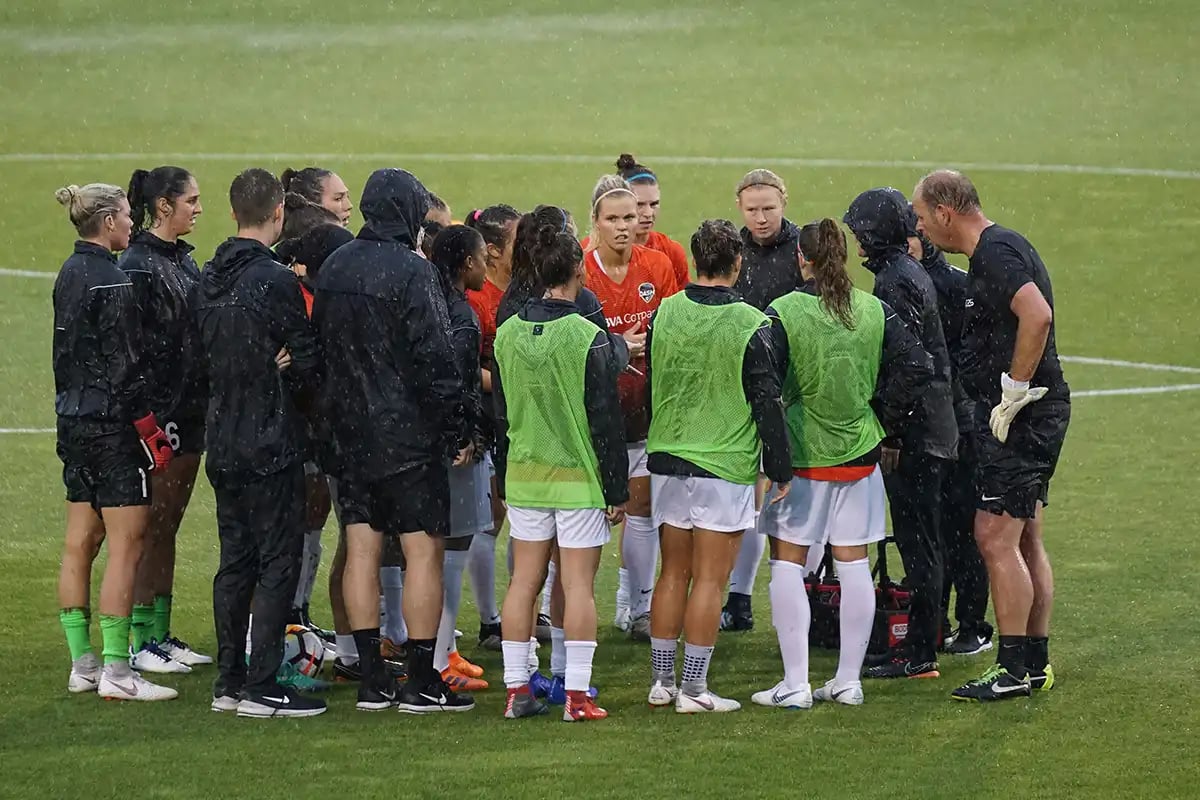
One of the most interesting developments is how quickly coaches have adapted to these pauses. What begins as a hydration break can quickly become a tactical meeting.
Players gather near the touchline. Staff deliver messages. Units are reorganised. Analysts and assistant coaches may pass information to the head coach. The goalkeeper may receive set-play reminders. Midfielders may be told how to adjust pressing distances. Wide players may be shown where the opponent is vulnerable.
This is completely understandable. Elite coaches will always use every available second to improve performance. But it also means hydration breaks are no longer purely physiological. They are now part of match strategy.
This has implications for coach education. The modern coach must understand not only tactics, but also performance science. When a hydration break arrives, the staff must balance several questions at once:
Does the player need fluid?
Does the player need electrolyte replacement?
Does the team need tactical information?
Is the player mentally overloaded?
Should the message be simple, emotional or detailed?
Does the team need calming down or energising?
This is where performance support becomes multidisciplinary. Hydration, psychology, tactics, communication and physical preparation all meet in a three-minute window.
Heat, humidity and the effect on match quality
Heat and humidity can reduce the quality and intensity of soccer. Players may cover less high-intensity distance, take fewer repeated sprint actions, press less aggressively, and make more conservative decisions with the ball. Teams may drop into lower blocks earlier, reduce counter-pressing intensity or rely more on game management.
This does not mean players are less fit. It means the environment changes the cost of every action. A high press in cool conditions is not the same as a high press in heat and humidity. A 60-metre recovery run in dry, mild weather is not the same as one performed in heavy humidity after long travel.
For teams competing at the World Cup, this creates a huge performance challenge. Coaches must decide when to press, when to control the game, when to rotate, and when to slow the tempo. Sport scientists and nutritionists must support players with individual hydration plans, pre-match fluids, electrolyte strategies, cooling interventions and post-match recovery protocols.
This is where the modern game has moved beyond generic advice. Elite players do not all sweat the same. Some lose more fluid. Some lose more sodium. Some tolerate drinking during exercise better than others. Some suffer more in humid conditions. Some recover faster after travel. The best teams will not simply tell players to hydrate; they will measure, plan and individualise.
Travel, recovery and nutrition across North America
The North American World Cup presents another layer of complexity: travel. Teams may move between cities with different climates, altitudes, time zones and food environments. This can disrupt sleep, appetite, hydration routines and recovery.
The ISSPF article, The MLS and Travel-Related Nutritional Challenges: A Growing Concern for Teams, highlights many of the same issues that World Cup teams are now facing. Major League Soccer has long required teams to manage long-distance travel, changing environments and repeated competition demands. The World Cup magnifies this challenge on a global stage.
Travel can affect hydration before players even arrive at the stadium. Flights can increase fluid loss, disrupt normal drinking patterns and reduce access to preferred foods and fluids. Hotel environments can change meal timing. Heat exposure during training can increase sweat losses. Late kick-offs can affect recovery sleep. All of these details matter when teams are trying to maintain performance across a tournament.
Why hydration education matters for coaches and practitioners
The World Cup hydration debate should not distract from the fundamental point: hydration is essential. The commercialisation and coaching use of breaks may be controversial, but the performance requirement is real.
For coaches, sport scientists, nutritionists and performance staff, hydration knowledge is now part of the modern professional toolkit. It is not enough to understand formations and fitness. Practitioners must understand how fluid balance, electrolyte losses, heat stress, travel, recovery and fuelling interact with tactical performance.
This is exactly why ISSPF provides dedicated soccer nutrition education. The Foundation Certificate in Soccer Nutritionintroduces coaches and practitioners to the key principles of soccer-specific nutrition, including hydration, training and match fuelling, recovery nutrition, macro and micronutrients, supplements, injury nutrition and female soccer nutrition. The course is designed to help coaches understand how nutritional preparation can influence performance and recovery in real football environments.
As the 2026 World Cup continues, hydration breaks will remain a major talking point. Some will view them as necessary player protection. Others will see them as another sign that soccer is being reshaped for broadcast and commercial gain. The truth may sit somewhere in the middle.
Hydration breaks are necessary in many conditions. They can protect players, improve safety and support performance. But they also change the rhythm of the game, create tactical coaching windows and open new commercial opportunities. That means the conversation cannot be reduced to “good” or “bad”. It is a modern football issue that sits at the intersection of player welfare, performance science, coaching strategy and global sports business.
For those working in the game, the message is clear: hydration is no longer a side topic. It is a performance factor, a coaching consideration and now, at World Cup level, a major part of the global football conversation.
To learn more about soccer hydration, fuelling and performance nutrition, explore the Foundation Certificate in Soccer Nutrition with ISSPF.
The course covered in this article
Did you enjoy this article?
Thanks for your feedback!